November 26, 2025
5 min read
A Life in Journalism, a Home at Coterie
Meet Jerry, who went from being a 12-year-old sportswriter to Newsweek editor—and has found community and independence at Coterie.

Jerry still remembers the moment his career ambitions became crystal clear. It was 1946, just at the end of World War II, and soldiers were returning home to Ohio, eager to join the local softball league. The town’s daily newspaper needed a reporter to cover the games, and 12-year-old Jerry just knew he could do it.
“I started scoring games, writing three paragraphs, and getting 50 cents a game, which was a big deal in 1946,” Jerry recalls. “I like to say that I have been a professional journalist since I was 12, and I’ve never, ever wavered—not for one second.”
Jerry grew up in Wooster, about 50 miles southwest of Cleveland. His father was a pharmacist who became a drug company executive; his mother managed the home. Jerry excelled academically while his younger brother, Bobby, charted his own course. “My grandfather always said, ‘Jerry’s going to do something smart, and Bobby’s going to make a lot of money,’” Jerry recalls.
Both did. Jerry pursued news reporting, while Bobby built a successful beer distribution business in Baltimore. But Jerry’s path to the newsroom first took some unexpected turns.
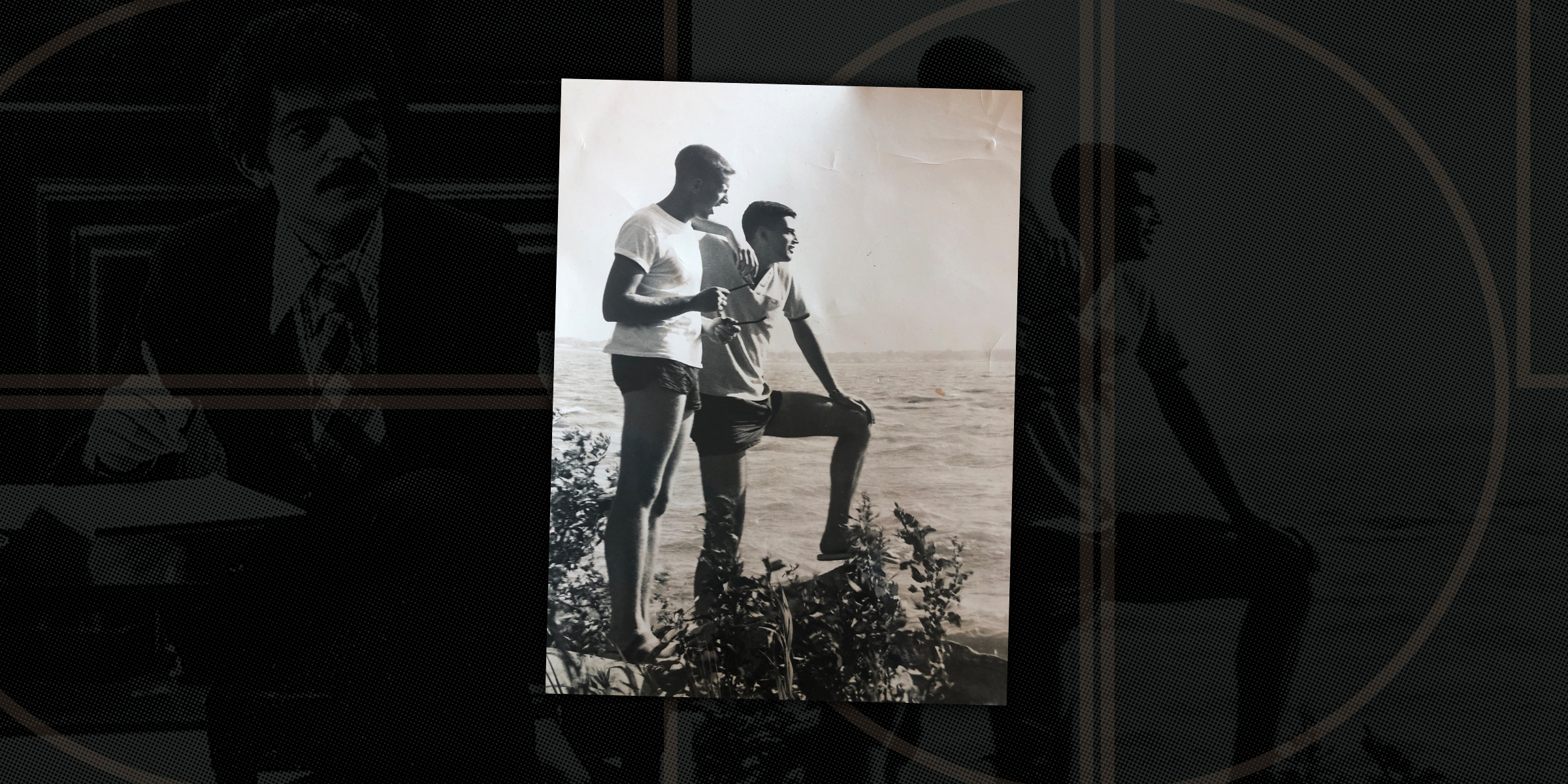
An Unconventional Education
After graduating from The College of Wooster in Ohio, Jerry made a surprising choice for an aspiring journalist—he enrolled at Harvard Law School.
“I thought it would be very useful,” he explains. He reasoned that an understanding of constitutional law would prove invaluable for covering institutions and policy. After graduating and passing the Ohio bar exam, Jerry received a post-doctoral fellowship at the London School of Economics, where he traveled throughout Britain, attended theater constantly, and worked at the 1960 Olympic Games in Rome for the Associated Press.
Reporting from Washington
Jerry’s credentials placed him at the center of a golden age in American journalism. He worked for Dow Jones in Washington, DC, and he spent many years at Newsweek, serving as both a writer and senior editor.
His access to judges, governors, and members of Congress was remarkable. “I’ve had conversations or dinner with seven Presidents of the United States,” he notes.
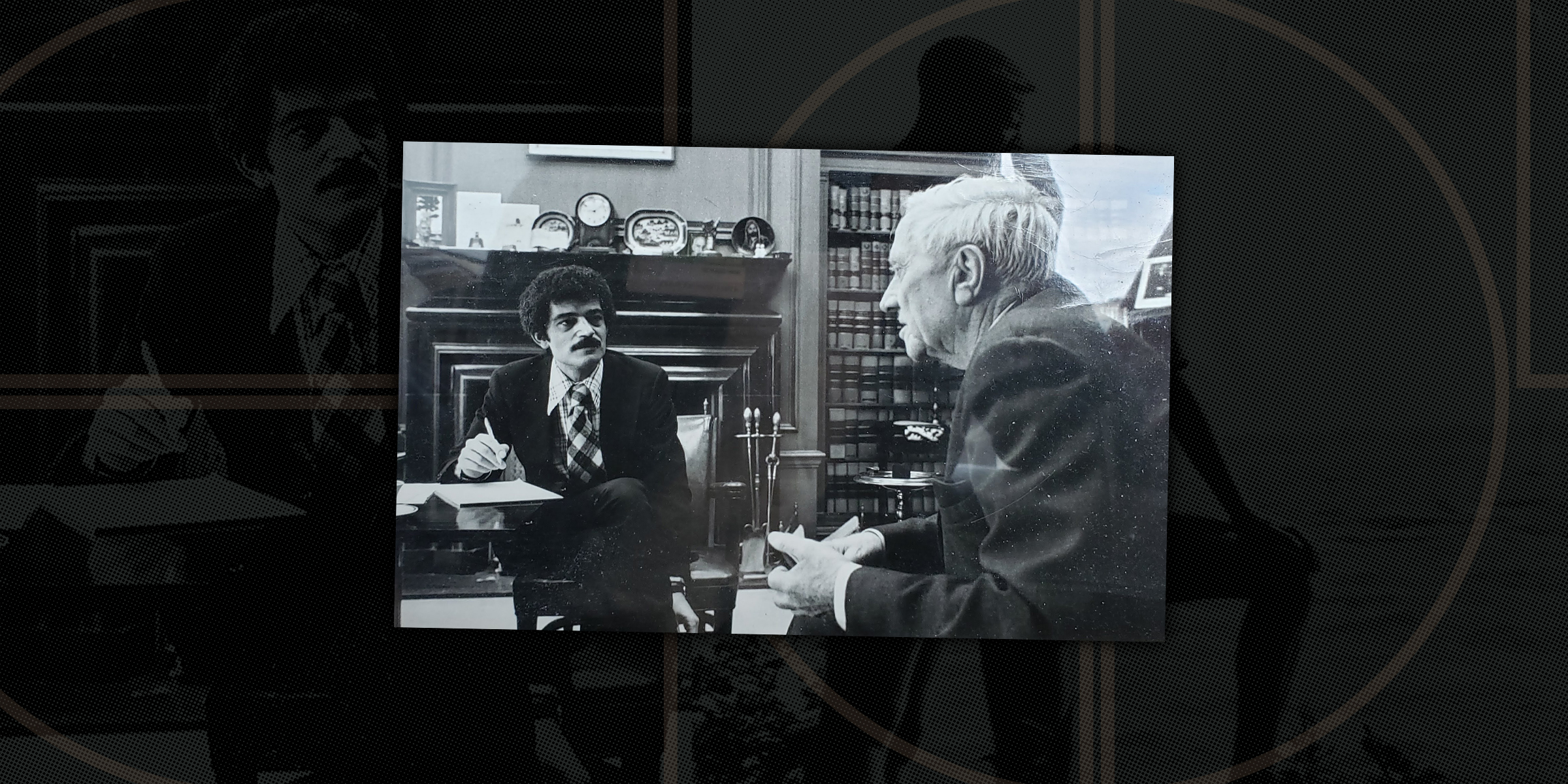
One of his favorite encounters occurred in 1971 while writing a Newsweek cover story on the University of California. After interviewing then-Governor Ronald Reagan in Sacramento, the governor surprised him with an offer to drive him to the UC Davis campus.
They chatted about baseball in the backseat of a state trooper’s car for the 20-mile journey. “I never laid eyes on Ronald Reagan ever again after that day,” Jerry says. But the memory of that unexpected experience remains vivid.
Jerry’s reporting also took him to the front lines of major social movements. “I covered civil rights a lot in the 60s,” he says, “and my sympathy was with the civil rights movement, not with the southern sheriffs. And yet I tried to be fair when I was writing about both sides.”
Moving to Coterie
Jerry’s journalism career eventually gave way to retirement in Durham, North Carolina, where his life remained full, centered on his wife, Ceil, of 36 years, his two daughters, and his endless appetite for reading and ideas.
When Ceil passed in 2021, it marked a profound turning point. His two daughters, both settled in the New York area, insisted he move closer to them. “I said, I don’t want to be a burden,” Jerry recalls. “And they said, you’re more of a burden living alone 500 miles away.”
That’s when one of Jerry’s daughters found Coterie Hudson Yards. “I wanted a place where I didn’t have to do a lot of work,” Jerry explains. “I wanted convenience, and I got it.”

After moving in, it took all of one lunch for Jerry to find his community. Sitting with his daughter in the Brass Room restaurant, they noticed four residents at a nearby table. Two were reading a newspaper, one had a copy of The New Yorker, and another was deep in a book.
“My daughter said, ‘Dad, you’ve got to meet those people. They’re your kind of people. They’re reading,’” Jerry recalls. “So, I did, and I ended up getting myself into that group.”
It was immediate confirmation that Jerry had found what he needed.
“I like people who want to know what’s going on in the world. I like people who are smart. It’s just about the most important thing in a friendship for me.”
The Value of Independence
Jerry continues to maintain the active lifestyle he has long enjoyed. He works with physical and occupational therapists and uses the fitness center on his own. “I’m playing with house money,’ he says. “I’m going to keep doing what I’m doing as long as I can keep doing it.”
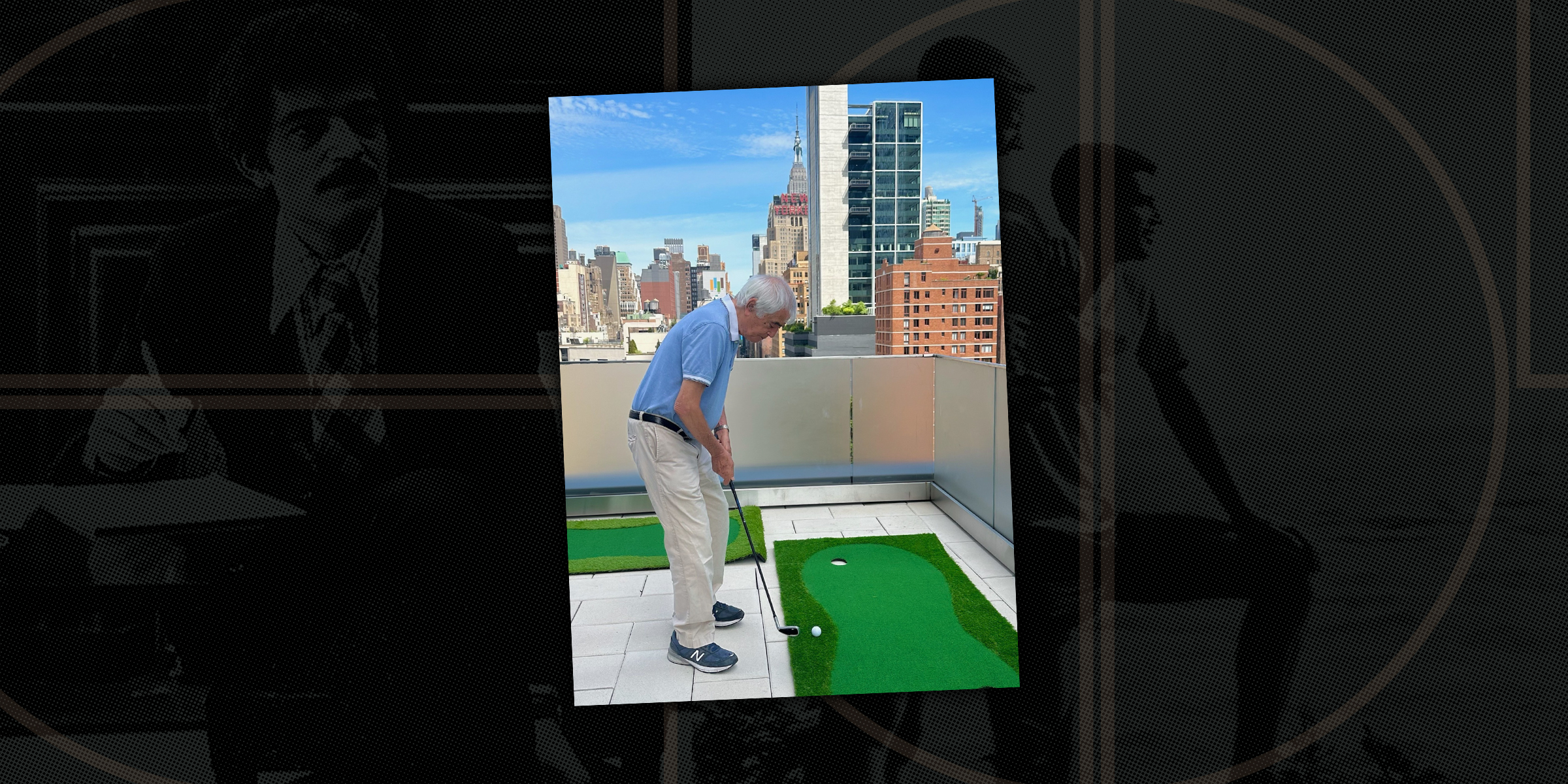
He attends historian Doug Brin’s lectures on politics and history, where they share “a good sort of teasing relationship,” as Brin often calls on Jerry’s extensive knowledge of the subjects.
One amenity Jerry prizes above all others is Coterie’s complimentary transportation service. During the day, he books a community town car to take him to appointments. Jerry also goes out frequently in the evenings—to the theater, to dinners with his daughters—and for these outings, Coterie arranges a car.
“I go to the theater, and then I'll go to Joe Allen restaurant, which is my favorite place on 46th Street. So now it’s 11 o’clock, and I call the concierge, and they send a car to bring me back. It’s terrific.”
Still Chasing the Story
Jerry’s life in Hudson Yards offers what he needs: convenience that offers independence, amenities that support his active life, and perhaps most importantly, a community that shares his intellectual appetite. “I’ve never stopped being curious about things,” Jerry says.
Surrounded by stacks of magazines, history books, and fellow readers at the dinner table, Jerry is still chasing the story. And at Coterie, the story continues.
You might also like
Want to learn more about life at Coterie?